Bike Helmet Safety Checklist: What to Verify Guide
Breadcrumb
What should you check first before buying a bike helmet?
A bike helmet safety checklist starts with one thing above all else: fit. A helmet with strong materials and useful safety features still cannot protect you well if it moves around, sits too high, or creates pressure points that tempt you not to wear it. Before you compare vents, style, or price, make sure the helmet matches your head shape, riding needs, and adjustment range.
For most riders in Great Britain, the safest buying process is simple. First, confirm the size range. Next, check the helmet’s safety markings and overall coverage. Then look at comfort details such as straps, padding, retention adjustment, and ventilation. After that, weigh up whether extra protection technology is worth the added cost for your riding style.
A commuter riding daily through town may prioritise visibility, easy adjustment, and all-day comfort. A leisure rider may care more about light weight and airflow on weekend rides. Parents and guardians often need a quick, trustworthy way to tell whether a child’s helmet is genuinely secure rather than just “close enough.” Casual riders usually benefit from a shorter checklist that removes guesswork and prevents poor impulse buys.
If you are unsure where to begin with measurements, how to choose the right bicycle helmet size (step-by-step fitting for GB riders) explains the fitting process in practical detail before you compare final options.
How do you verify the right helmet size and fit in store?
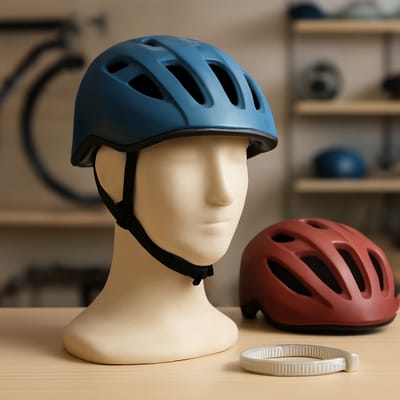
The best way to verify a helmet is to try it on carefully, not just place it on your head for a few seconds. A well-fitted helmet should sit level, covering your forehead without tipping back. It should feel secure before the chin strap is fully tightened, with the rear adjustment system adding stability rather than doing all the work.
Use this in-store fit checklist
- Check the size label against your head measurement in centimetres.
- Place the helmet level so the front edge sits low enough on the forehead.
- Tighten the retention dial until the fit feels snug, not squeezed.
- Adjust side straps so they meet neatly below each ear.
- Fasten the chin strap with enough room for about one or two fingers.
- Shake your head gently to test movement side to side and front to back.
- Wear it for several minutes to spot pressure points.
Signs the fit is wrong
- The helmet rocks backward and exposes too much forehead
- You feel one sharp pressure spot instead of even contact
- The straps twist or sit far away from the ears
- You need to overtighten the dial to stop movement
For children, this step matters even more because they may not describe discomfort clearly. Parents should also leave room for secure adjustment, not “growing into” a loose helmet. For a full fitting walkthrough, how to choose the right bicycle helmet size (step-by-step fitting for GB riders) helps you judge fit with more confidence.
Which safety signs and protection features are worth checking?
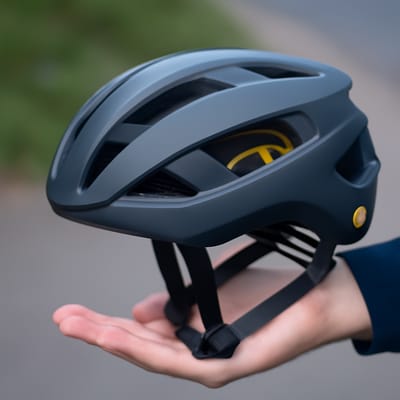
Once fit looks right, move to the safety features that affect real-world protection. Start with recognised certification markings appropriate for the UK market and check that the helmet is clearly labelled, properly finished, and free from obvious defects. A trustworthy helmet should display its safety information clearly, not hide it in vague packaging language.
Core things to verify
- Certification label showing compliance information
- EPS foam liner that is dense, intact, and firmly bonded
- Outer shell quality with no cracks, warping, or loose edges
- Coverage shape that suits your riding style
- Retention system that adjusts smoothly and holds position
- Strap hardware that feels secure and easy to set correctly
You may also see MIPS or similar rotational impact systems. These can be a worthwhile upgrade if you ride often, ride faster, or simply want an added layer of protection design. They are not a substitute for correct fit, but they can be a meaningful extra feature when comparing two otherwise similar helmets.
Coverage also matters. Road-focused helmets often prioritise lower weight and airflow, while trail-oriented models usually extend further around the back and sides. Commute riders may prefer a balanced shape with decent ventilation and practical everyday comfort. Understanding helmet protection features, coverage zones, EPS quality, ventilation, and weight can make comparison shopping much easier once you narrow down the right size.
How do comfort, ride type, and value affect a safe choice?
A helmet that feels awkward on your first try is unlikely to become a favourite later. Comfort is a safety issue because the helmet you wear consistently is the one that protects you. Check padding placement, airflow, strap feel under the jaw, and whether the helmet works with your usual glasses, cap, or hairstyle.
Match the helmet to your riding
| Riding context | What to prioritise |
|---|---|
| Urban commuting | Easy adjustment, visibility, balanced ventilation, day-to-day durability |
| Leisure rides | Comfortable fit, moderate weight, enough airflow for longer outings |
| Faster road riding | Low weight, strong ventilation, stable fit at speed |
| Light trail use | Extra rear coverage, secure retention, visor preference |
Price should be judged by fit, safety clarity, and long-term use, not by styling alone. A more expensive model can be worth it if it fits better, includes advanced impact technology, or stays comfortable on every ride. On the other hand, a mid-range helmet that fits your head shape perfectly may be a better buy than a premium option that creates hotspots.
Commute riders and leisure cyclists often do best with simple, dependable features instead of race-focused extras. Casual riders benefit from choosing a helmet that is easy to adjust correctly every single time. If you are comparing categories, topics like best helmet types for different rides and helmet fit and comfort mistakes are worth reviewing before you make a final shortlist.
What final checks should you make before you buy?
Before you pay, run through one last helmet buying checklist. This final step helps you avoid the common mistake of choosing a helmet that looks right on the shelf but disappoints after a week of real use.
Final pre-purchase checklist
- Confirm the size range matches your head measurement
- Make sure the helmet sits level and stable
- Test the retention dial and strap adjustment more than once
- Verify visible safety markings and product information
- Inspect the shell and liner for defects or poor finishing
- Check whether the coverage suits your riding style
- Decide if MIPS or similar protection is worth the price difference
- Consider replacement pads or parts availability for longer-term use
If you buy online, compare the return policy with extra care. You should be able to test the fit indoors and return the helmet if the shape does not suit you. This matters for adults, and it matters just as much for children whose helmets may need a different internal shape even within the correct size band.
A good next step is to measure carefully, note your riding type, and keep your shortlist small. That makes comparison easier and reduces second-guessing. If sizing is still the main obstacle, how to choose the right bicycle helmet size (step-by-step fitting for GB riders) can help you make a more confident final decision before you buy.
Frequently asked questions about bike helmet safety
What is the most important thing to check before buying a bike helmet?
The most important check is fit. A helmet should sit level, feel snug all around, and stay stable when you move your head. Safety features matter, but they work best only when the helmet fits properly.
How do I know if a bike helmet is too big?
A helmet is too big if it rocks backward or sideways, leaves too much forehead exposed, or needs excessive dial tightening to stay in place. You may also notice gaps around the head or unstable movement when you look down.
Should parents buy a child’s helmet with room to grow?
No. A child’s helmet should fit securely now, not months later. Parents and guardians should choose a helmet with proper adjustment range, but it should never be loose enough to “grow into.”
Are more expensive helmets always safer?
Not always. Higher-priced helmets may offer lighter weight, better ventilation, or advanced systems such as MIPS, but a mid-range helmet with better fit can be the safer choice for you. Clear certification, correct coverage, and stable fit matter more than price alone.
Is MIPS worth paying extra for?
For many riders, yes, especially if you ride often, ride faster, or want an extra layer of impact-management design. It should be treated as a useful added feature rather than a replacement for good sizing and correct wear.
What should commute riders look for in a helmet?
Commute riders usually benefit from easy adjustment, comfortable straps, balanced ventilation, and a shape that feels secure for repeated daily use. Visibility details and practical durability can matter more than ultra-light race styling.
What if I only ride casually on weekends?
Casual riders should focus on a simple checklist: secure fit, clear safety markings, comfortable padding, and enough ventilation for the rides they actually do. You do not need the most technical option if a straightforward helmet fits well and feels good every time.
Can I buy a helmet online safely?
Yes, if you measure your head carefully, compare the manufacturer’s size chart, and check the return policy before ordering. Online buying is much safer when you already understand fit basics and know which helmet shapes tend to suit you.