Riding Use Helmets: Complete Buying Guide for UK Riders

Breadcrumb
What should you know before choosing riding use helmets?
Choosing riding use helmets starts with a simple idea: the right helmet depends on how you ride, how well it fits, and which safety features matter for your usual conditions. A helmet for urban commuting may not be the best match for trail riding, and a lightweight road design may feel very different from a model built with deeper coverage. That is why buying by appearance alone is rarely the best approach.
For cyclists in Great Britain, weather, ride length, traffic conditions, and comfort all shape the decision. A rider using a bike for short weekday journeys may want something stable and easy to adjust. Someone riding longer weekend miles may care more about airflow and low weight. Parents and guardians need a reliable framework for checking whether a child’s helmet fits securely, while casual riders often want a clear overview without too much technical language.
A strong buying process usually follows this order:
- Check the helmet type for your riding style
- Measure carefully and confirm the right size
- Review fit and adjustment systems
- Compare safety features and coverage
- Weigh comfort, ventilation, and value
This category page gives you the broad overview so you can understand the major choices before narrowing down options. It is designed to help you shop more confidently, ask better questions, and avoid common mistakes that lead to poor fit or disappointing comfort.
The most important principle stays the same across every category: a helmet only works well when it fits properly and suits the rides you actually do.
Why do fit and sizing matter more than style?

The first thing many riders notice is colour, shape, or price. The first thing you should check is helmet fit. Even a well-built helmet with modern safety technology cannot do its job properly if it sits too high, shifts during movement, or creates enough discomfort that you stop wearing it regularly.
A properly fitted helmet should sit level on your head, cover the forehead, and feel snug without painful pressure. The retention dial should fine-tune the fit rather than compensate for the wrong size. Side straps should sit neatly below the ears, and the chin strap should hold the helmet securely without being uncomfortably tight.
Typical fit problems include:
- Buying a helmet that is too large because it feels roomy in the shop
- Assuming one medium fits like every other medium
- Choosing for a child by age instead of measuring
- Wearing the helmet too far back on the head
- Ignoring pressure points at the forehead or temples
This part of the decision matters for every audience. Commute riders need confidence that the helmet stays stable when checking traffic. Leisure cyclists want comfort over longer periods. Parents want a repeatable way to fit children correctly before each ride. Casual riders need something simple and trustworthy that does not require expert knowledge to get right.
A dedicated step-by-step sizing guide, a safety checklist, and a deeper look at straps and retention systems are all useful next topics once you understand the importance of fit. As a rule, never treat fit as a small detail. It is the basis of comfort, security, and consistent use.
Which helmet types suit different kinds of rides?
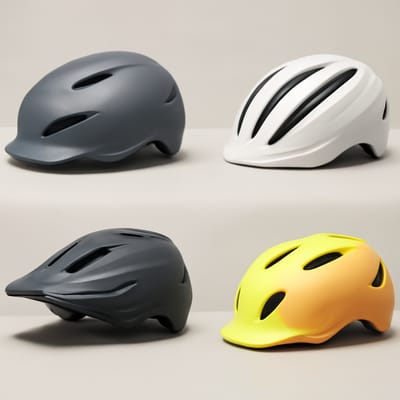
Different bike helmet types are designed around different priorities. The best choice depends on where you ride most often, how long you ride, and what kind of comfort or coverage you need.
Commuter and everyday helmets
These usually balance comfort, stable fit, and practical coverage for regular urban or mixed riding. They can be a strong choice for riders dealing with traffic, junctions, and changing weather.
Road helmets
Road-focused designs often prioritise lower weight and better ventilation. They appeal to riders doing longer distances or faster efforts where airflow and reduced bulk matter more.
Racing-inspired helmets
These may lean further into aerodynamic shaping and lightweight construction. They can suit faster riding, but they still need to feel stable and comfortable enough for real-world use.
MTB and trail helmets
Trail designs often offer deeper rear coverage and a shape intended to feel secure over uneven ground. Riders on rougher terrain may also prefer features such as a visor and a more planted overall fit.
Ventilated helmets for warm rides
High-airflow models can help on hotter days or harder efforts, though ventilation should never come at the expense of a secure fit.
A separate guide on the best helmet types for different rides can take this much further. For now, the key is not to buy for an imaginary version of your cycling. Buy for your most common ride. That usually leads to better comfort, more realistic value, and a helmet you will actually want to wear.
What safety and protection features should you compare?
Once you understand fit and helmet type, the next step is comparing safety features in a sensible way. It is easy to get distracted by product pages full of claims, but a few practical checks will tell you far more about whether a helmet is right for you.
Start with the basics. Look at the shell quality, how evenly the padding sits, and whether the retention system adjusts smoothly. Check that the helmet gives appropriate coverage for your riding style and does not feel unstable when fastened correctly. Good ventilation, manageable weight, and a secure feel often matter as much in day-to-day use as any single premium feature.
Many riders also compare helmets with MIPS or similar rotational-impact technology. That can be a worthwhile feature to consider, especially if you are already choosing between otherwise well-fitting options. Still, it should not distract from the core requirements of correct size, secure fit, and suitable coverage.
Useful checkpoints include:
- Clear standards and product information
- Solid shell construction and neat finishing
- Reliable adjustment system and strap layout
- Coverage that matches your riding context
- Ventilation suitable for your climate and effort level
- Comfort that encourages you to wear the helmet every ride
A dedicated article on helmet protection features such as coverage zones, EPS foam, ventilation, and weight is a natural next step if you want more depth. A safety checklist before buying is also helpful when you are comparing a shortlist and want a fast, repeatable process.
How can you compare helmets without getting overwhelmed?
A lot of riders end up stuck between several decent-looking helmets. The easiest way to decide is to use a short comparison framework and judge every option against the same practical criteria.
Try asking these questions:
- Does the helmet match your measured head size?
- Does it feel evenly snug without creating pressure points?
- Is it designed for the kind of riding you do most?
- Does it offer suitable coverage and adjustment?
- Will the ventilation and weight feel comfortable on your usual rides?
- Are you paying for useful features or just extra marketing?
This approach is especially helpful for casual riders who want a simple, trust-building process. It also works well for commuters who need everyday reliability more than niche performance gains. Parents can use the same framework when rechecking size and fit as children grow.
If you want to narrow down choices faster, a helmet fit screener or newsletter guide can be useful before browsing longer product lists. A checklist download also makes sense if you are comparing models across several retailers and want to keep your notes consistent.
One final tip: do not force a helmet to work through extreme strap tightening or by adding bulky layers underneath. If the base fit is wrong, move on. The right helmet usually feels naturally secure, easy to adjust, and clearly suited to your riding from the first proper try-on.
What mistakes should you avoid when buying a bike helmet?
The most common mistakes are surprisingly simple. Riders often buy too quickly, assume sizing is universal, or focus on one feature while overlooking overall fit and comfort. Those shortcuts can lead to a helmet that looks fine online but performs poorly in real life.
Some of the biggest buying mistakes are:
- Choosing style before checking fit
- Buying a larger child’s helmet to grow into
- Ignoring riding context when comparing helmet types
- Overvaluing ventilation or weight without checking stability
- Treating premium features as more important than basic comfort
- Forgetting to replace a damaged or heavily worn helmet
A commuter may regret a highly race-focused choice that feels awkward on short daily rides. A leisure cyclist might overspend on technical features but still end up with forehead pressure after half an hour. Parents may find that a helmet that looked good on paper is difficult to adjust quickly before a school run or family outing.
A safer, smarter approach is to slow down and judge every helmet by the same essentials: fit, intended use, protection, comfort, and realistic value. Deeper guides on sizing, fit and comfort, ride-specific helmet types, and pre-purchase safety checks all help once you reach that stage.
When in doubt, choose the helmet that fits best and feels easiest to wear correctly. That decision usually beats the one with the most impressive-looking spec list.
FAQ: riding use helmets, fit, and buying basics
How do I choose the right riding use helmet?
Start with your main riding style, then check fit, size, and safety features. A helmet should match how you actually ride, not just how it looks in a product photo.
What should parents look for when buying a child’s helmet?
Parents and guardians should measure the child’s head, check that the helmet sits level, and make sure the straps and adjustment system hold it securely. Do not rely on age labels alone.
What matters most for commute riders?
Commute riders usually need a helmet that feels stable during frequent head checks, stays comfortable in daily use, and adjusts easily. Practical comfort and secure fit often matter more than racing-focused details.
Do casual riders need advanced helmet features?
Not always. Casual riders often do best with a well-fitting, comfortable helmet that covers the basics well. Advanced features can be valuable, but they should come after correct fit and suitable design.
Is a road helmet better than a commuter helmet?
Not automatically. A road helmet may offer lower weight and more ventilation, while a commuter helmet may suit everyday urban riding better. The better choice depends on your usual routes and priorities.
Should I choose a helmet with MIPS?
MIPS or similar rotational-impact systems can be worth considering if the helmet already fits well and suits your riding. It should be treated as one useful feature, not a substitute for proper sizing.
How do I know if a helmet fits properly?
A proper fit feels snug, sits level on the head, covers the forehead, and stays stable when the straps and retention system are adjusted. It should not rock, slide, or create painful pressure points.
When should I replace my bike helmet?
Replace it after a crash, visible damage, or wear that affects fit or structure. Even without a crash, heavy use and ageing materials can eventually make replacement the sensible choice.