Breadcrumb
Latest Articles





What should you know before buying bicycle helmets?
Choosing bicycle helmets can feel simple until you start comparing shapes, fit systems, safety claims, and riding styles. The good news is that most buying decisions become easier when you focus on three essentials first: fit, protection, and your usual riding context. Whether you ride through city streets, take longer road rides, or head onto rougher paths at the weekend, the best helmet is the one that fits correctly and suits how you actually ride.
For cyclists in Great Britain, this matters across a wide range of use cases. Daily commuters often need easy adjustment, stable fit, and all-weather comfort. Leisure riders may care more about pressure-free wear over longer periods. Parents and guardians buying for children need a clear way to check secure fit without guessing by age. Casual riders often want a straightforward buying framework that helps them avoid overpaying for features they may never use.
This cornerstone guide gives you the broad overview: what makes a good helmet, how sizing works, which safety features are worth checking, and how different helmet types compare. If you want to explore the full category in more detail, riding use helmets brings together the main topics around fit, ride type, and protection.
A smart buying process usually looks like this:
- Match the helmet to your riding style
- Confirm the size and overall fit
- Compare safety and coverage features
- Check comfort, ventilation, and adjustment
- Choose based on realistic everyday use
That simple structure helps cut through noise and makes it much easier to choose a helmet you will actually wear every ride.
Why does helmet fit matter more than any feature list?

Helmet safety begins with fit. A helmet can have lightweight construction, excellent ventilation, and advanced impact technology, but none of that matters much if it shifts on your head, sits too high on the forehead, or causes enough discomfort that you stop wearing it regularly.
A properly fitted helmet should sit level rather than tilt backward. It should feel snug all around without obvious pressure points. The front edge should usually sit about two finger widths above the eyebrows, while the side straps should form a neat V around the ears. The retention system should fine-tune the fit, not rescue a helmet that is fundamentally the wrong size or shape.
Fit problems often come from a few common mistakes:
- Assuming all brands fit the same in the same size
- Buying for a child by age rather than measurement
- Choosing a larger helmet because it feels softer at first
- Wearing the helmet too far back on the head
- Tightening straps too much to compensate for movement
These issues affect every kind of rider. A commuter making frequent shoulder checks needs stable positioning. A leisure cyclist needs comfort that holds up over time. Parents need a repeatable process that makes children’s helmet checks quicker and more reliable. Casual riders benefit from keeping the process simple and focusing on secure, level fit before anything else.
Topics such as how to choose the right bicycle helmet size, how to adjust straps correctly, and how to spot fitting mistakes are worth exploring in more depth once you understand that fit is the first decision, not the last one.
Which bicycle helmet types suit different rides best?
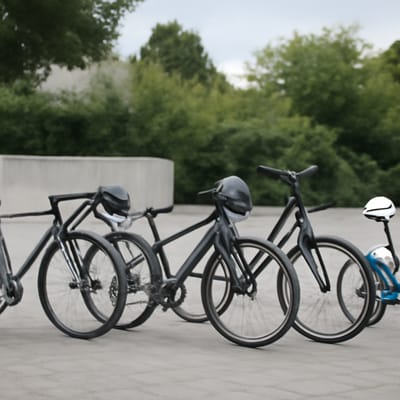
Not every bike helmet type is built for the same job. Some designs prioritise airflow and low weight, while others focus more on practical coverage, daily comfort, or stability over rough ground. Choosing the right type starts with being honest about the rides you do most often.
Everyday and commuter helmets
These are often chosen for practical urban or mixed-use riding. Riders may value stable fit, straightforward adjustment, and comfort in changing weather.
Road helmets
Road-focused options often emphasise lighter weight and stronger ventilation. They can be a good fit for longer rides or faster efforts where airflow matters more.
Racing-style helmets
These may push further toward aerodynamic design and minimal bulk. They can appeal to performance-focused riders, but comfort and fit still decide whether they work in practice.
MTB and trail helmets
Trail riding often calls for a helmet with more rear coverage and a shape that feels secure over uneven terrain. Riders may also prefer features such as a visor or a deeper coverage profile.
Ventilated helmets for warm conditions
Helmets with more airflow can be especially helpful in summer or on harder rides, but ventilation should not come at the expense of stable fit and suitable protection.
If you want a broader overview organised by use case, riding use helmets gives a clearer pathway through the main categories. From there, more focused topics such as the best helmet types for different rides, commuter versus road choices, and MTB fit and trail coverage become easier to compare.
What safety features and protection details should you compare?
Once you know the helmet type you want, it makes sense to compare safety features without getting lost in marketing language. The most useful checks are usually practical ones: correct coverage, clear standards information, solid construction, reliable adjustment, and day-to-day comfort that encourages consistent wear.
Start by inspecting the basic build. The shell should feel well finished, the padding should sit evenly, and the straps and retention system should adjust smoothly. Coverage should match your riding style, with enough secure contact to feel stable rather than perched or loose. Weight and ventilation also matter because comfort plays a big role in whether a helmet gets worn properly and regularly.
Many riders also look for MIPS or similar rotational-impact technology. That can be a valuable feature when choosing between otherwise well-fitting models. Still, it should never become a reason to accept poor fit, limited comfort, or the wrong helmet type.
A simple comparison list includes:
- Standards and product information
- Shell construction and finish quality
- Retention dial and strap adjustability
- Coverage for road, commuter, or trail use
- Ventilation and weight for expected conditions
- Comfort over realistic ride durations
A dedicated safety checklist before buying can make comparisons easier, especially if you are browsing several retailers. The same is true for deeper guidance on coverage zones, EPS foam, ventilation, and weight. Those details matter most after you have already confirmed the basics of fit and intended use.
How can you compare bicycle helmets with confidence?
A confident buying decision usually comes from using the same criteria across every option rather than being swayed by one standout feature. If you are comparing several helmets, keep the process grounded in real use.
Ask yourself:
- Does the helmet match your measured size?
- Does it feel secure without pressure points?
- Is it designed for your main riding style?
- Does it provide the coverage and adjustment you need?
- Will the comfort and ventilation suit your usual rides?
- Are the extra features worth the added cost?
This simple framework works for different audiences in different ways. Casual riders can use it to avoid unnecessary complexity. Commute riders can focus on daily practicality and reliable fit. Parents and guardians can reuse the same logic as children grow and helmet sizes change over time.
It is also a good stage to use a fit screener, buying guide, or checklist to narrow the field before looking at longer product shortlists. Those tools are especially helpful when you are moving from general research into actual buying decisions.
If you want a broader category-level starting point before drilling into more specific questions, riding use helmets provides that overview. From there, it becomes easier to compare sizing advice, comfort guidance, and protection features without losing sight of the bigger picture.
The right helmet rarely feels like a compromise you must force. It usually feels stable, sensible, and easy to imagine wearing on your normal rides.
What are the biggest mistakes people make when buying helmets?
The biggest mistakes usually happen when buyers move too fast. They see a style they like, notice a strong feature list, or focus on price, then skip the basics of fit, intended use, and practical comfort. That can lead to a helmet that seems impressive online but proves awkward in real riding conditions.
Some of the most common problems include:
- Choosing design before checking size and shape
- Buying a child’s helmet to grow into
- Selecting a race-focused model for everyday commuting
- Prioritising ventilation over stable fit
- Paying more for premium features while ignoring comfort
- Forgetting to replace a helmet after impact or visible damage
For parents, the “grow into it” approach is especially risky because a loose helmet can move too easily. For casual riders, confusion often comes from comparing too many technical features without first deciding what matters most. For commuters, the wrong choice is often a helmet that works in theory but feels impractical for short, frequent, everyday rides.
A better approach is to slow down and keep coming back to the same questions: does it fit, does it suit your riding, does it feel comfortable enough to wear every time, and does it offer sensible protection for the price?
That is why broader overview pages, size guides, safety checklists, and fit-and-comfort articles are so useful together. Each one helps reduce a different kind of buying mistake before it becomes an expensive or frustrating one.
FAQ: bicycle helmets, sizing, and buying guidance
How do I choose the right bicycle helmet?
Start by matching the helmet to your main riding style, then confirm the correct size and fit. After that, compare safety features, coverage, ventilation, and comfort.
Where should I start if I want a broad overview of helmet categories?
A good next step is riding use helmets, which gives a wider overview of helmet types, fit basics, and buying considerations across different riding contexts.
What should parents check when buying bicycle helmets for children?
Parents and guardians should measure the child’s head, check that the helmet sits level, and make sure the straps and adjustment system hold it securely. Buying by age alone is not reliable.
What matters most for commuters choosing a helmet?
Commute riders usually need stable fit, easy adjustment, and comfort for regular use in changing conditions. Everyday practicality is often more important than performance-focused extras.
Do casual riders need premium bike helmets?
Not necessarily. Casual riders often make the best choice by prioritising correct fit, suitable coverage, and comfort. Premium features can be useful, but they should come after the basics.
Is MIPS worth it in a bicycle helmet?
MIPS or similar rotational-impact technology can be a worthwhile feature if the helmet already fits properly and suits your riding needs. It should support the decision, not replace the core fit and comfort checks.
How do I know if a helmet fits properly?
A proper fit feels snug, sits level, covers the forehead, and stays stable when adjusted. It should not wobble, slide, or create painful pressure points.
When should a bicycle helmet be replaced?
A helmet should be replaced after a crash, visible damage, or wear that affects structure or fit. Even without an impact, ageing and heavy use can eventually make replacement the safer choice.